Tuesday, May 31, 2016

Monday, May 30, 2016
Washington State is Losing Its Signature Views. Can We Restore Them?
Meteorologists really care about views: there is nothing we love better than a expansive vista of clouds and mountains. And Washington State is the home of some of the most stunning viewpoints in the nation, often located on local peaks or near major water bodies.
But inaction by State government, either deliberate or not, is resulting in the loss of some of the best viewpoints in the State, mainly because of the growth or encroachment of trees. A bit of judicious pruning could fix the situation in a few hours, something advocated in this blog. Let me give you a few examples.
Historically one of the grandest view of our region, and perhaps the best in the State, has been found at the top of Mount Constitution on Orcas Island (see map).

A stone tower built on the summit by the WPA during the 1930s used to provide a stunning 360° view, with the lofty height of the Olympics, Vancouver Island, Mount Baker and the Cascades, the islands of the San Juans, and Puget Sound surrounding the lucky visitors. One of the great views of the world.

Unfortunately, the trees around the summit have been left to grow and the views to the south, west, and north have been lost or severely degraded. To appreciate the loss, here is an information sign on the top of the summit structure, showing the vast and impressive scene to be enjoyed (at least several decades before). The problem: you can't see any of it today because the trees have grown up.

Or perhaps you have enjoyed the hike to the top of West Tiger 3 near Issaquah, one of the most popular hikes in the State and only 30 minutes from Seattle (see map). The view from the top used to be amazing, with the entire Sound laid out below you.

But, again, trees have been allowed to grow, wiping out nearly the entire view (see below)


Or what about Chuckanut Drive, south of Bellingham? It WAS the most beautiful coastal drive in the State with amazing views of the San Juan Islands (see map).

You guessed it. Trees have been allowed to grow, blocking the stunning views.


Now I could give you many more examples, but you get the point. One of the reasons that folks love living in Washington State and why tourists like to visit are our amazing views of the water and mountains. But we are losing many of our most precious viewpoints because the State seems to have a policy of letting trees grow, even if such growth is robbing us of some of the most uplifting and inspirational views.
Is there a policy not to protect views? To always let trees grow? Is ANYONE in State government responsible for tending ensuring the legacy of views are maintained? I love trees as much as anyone, but views are important and it would be shame if future generations can never experience the views that many of us have valued and savored over the years. Let's do something about it.

from Cliff Mass Weather Blog http://ift.tt/1TRYUC5
But inaction by State government, either deliberate or not, is resulting in the loss of some of the best viewpoints in the State, mainly because of the growth or encroachment of trees. A bit of judicious pruning could fix the situation in a few hours, something advocated in this blog. Let me give you a few examples.
Historically one of the grandest view of our region, and perhaps the best in the State, has been found at the top of Mount Constitution on Orcas Island (see map).
A stone tower built on the summit by the WPA during the 1930s used to provide a stunning 360° view, with the lofty height of the Olympics, Vancouver Island, Mount Baker and the Cascades, the islands of the San Juans, and Puget Sound surrounding the lucky visitors. One of the great views of the world.
Unfortunately, the trees around the summit have been left to grow and the views to the south, west, and north have been lost or severely degraded. To appreciate the loss, here is an information sign on the top of the summit structure, showing the vast and impressive scene to be enjoyed (at least several decades before). The problem: you can't see any of it today because the trees have grown up.
Or perhaps you have enjoyed the hike to the top of West Tiger 3 near Issaquah, one of the most popular hikes in the State and only 30 minutes from Seattle (see map). The view from the top used to be amazing, with the entire Sound laid out below you.
But, again, trees have been allowed to grow, wiping out nearly the entire view (see below)
Or what about Chuckanut Drive, south of Bellingham? It WAS the most beautiful coastal drive in the State with amazing views of the San Juan Islands (see map).
You guessed it. Trees have been allowed to grow, blocking the stunning views.
Now I could give you many more examples, but you get the point. One of the reasons that folks love living in Washington State and why tourists like to visit are our amazing views of the water and mountains. But we are losing many of our most precious viewpoints because the State seems to have a policy of letting trees grow, even if such growth is robbing us of some of the most uplifting and inspirational views.
Is there a policy not to protect views? To always let trees grow? Is ANYONE in State government responsible for tending ensuring the legacy of views are maintained? I love trees as much as anyone, but views are important and it would be shame if future generations can never experience the views that many of us have valued and savored over the years. Let's do something about it.
from Cliff Mass Weather Blog http://ift.tt/1TRYUC5
Washington State is Losing Its Signature Views. Can We Restore Them?
Meteorologists really care about views: there is nothing we love better than a expansive vista of clouds and mountains. And Washington State is the home of some of the most stunning viewpoints in the nation, often located on local peaks or near major water bodies.
But inaction by State government, either deliberate or not, is resulting in the loss of some of the best viewpoints in the State, mainly because of the growth or encroachment of trees. A bit of judicious pruning could fix the situation in a few hours, something advocated in this blog. Let me give you a few examples.
Historically one of the grandest view of our region, and perhaps the best in the State, has been found at the top of Mount Constitution on Orcas Island (see map).
A stone tower built on the summit by the WPA during the 1930s used to provide a stunning 360° view, with the lofty height of the Olympics, Vancouver Island, Mount Baker and the Cascades, the islands of the San Juans, and Puget Sound surrounding the lucky visitors. One of the great views of the world.
Unfortunately, the trees around the summit have been left to grow and the views to the south, west, and north have been lost or severely degraded. To appreciate the loss, here is an information sign on the top of the summit structure, showing the vast and impressive scene to be enjoyed (at least several decades before). The problem: you can't see any of it today because the trees have grown up.
Or perhaps you have enjoyed the hike to the top of West Tiger 3 near Issaquah, one of the most popular hikes in the State and only 30 minutes from Seattle (see map). The view from the top used to be amazing, with the entire Sound laid out below you.
But, again, trees have been allowed to grow, wiping out nearly the entire view (see below)
Or what about Chuckanut Drive, south of Bellingham? It WAS the most beautiful coastal drive in the State with amazing views of the San Juan Islands (see map).
You guessed it. Trees have been allowed to grow, blocking the stunning views.
Now I could give you many more examples, but you get the point. One of the reasons that folks love living in Washington State and why tourists like to visit are our amazing views of the water and mountains. But we are losing many of our most precious viewpoints because the State seems to have a policy of letting trees grow, even if such growth is robbing us of some of the most uplifting and inspirational views.
Is there a policy not to protect views? To always let trees grow? Is ANYONE in State government responsible for tending ensuring the legacy of views are maintained? I love trees as much as anyone, but views are important and it would be shame if future generations can never experience the views that many of us have valued and savored over the years. Let's do something about it.
from Cliff Mass Weather Blog http://ift.tt/1TRYUC5
But inaction by State government, either deliberate or not, is resulting in the loss of some of the best viewpoints in the State, mainly because of the growth or encroachment of trees. A bit of judicious pruning could fix the situation in a few hours, something advocated in this blog. Let me give you a few examples.
Historically one of the grandest view of our region, and perhaps the best in the State, has been found at the top of Mount Constitution on Orcas Island (see map).
A stone tower built on the summit by the WPA during the 1930s used to provide a stunning 360° view, with the lofty height of the Olympics, Vancouver Island, Mount Baker and the Cascades, the islands of the San Juans, and Puget Sound surrounding the lucky visitors. One of the great views of the world.
Unfortunately, the trees around the summit have been left to grow and the views to the south, west, and north have been lost or severely degraded. To appreciate the loss, here is an information sign on the top of the summit structure, showing the vast and impressive scene to be enjoyed (at least several decades before). The problem: you can't see any of it today because the trees have grown up.
Or perhaps you have enjoyed the hike to the top of West Tiger 3 near Issaquah, one of the most popular hikes in the State and only 30 minutes from Seattle (see map). The view from the top used to be amazing, with the entire Sound laid out below you.
But, again, trees have been allowed to grow, wiping out nearly the entire view (see below)
Or what about Chuckanut Drive, south of Bellingham? It WAS the most beautiful coastal drive in the State with amazing views of the San Juan Islands (see map).
You guessed it. Trees have been allowed to grow, blocking the stunning views.
Now I could give you many more examples, but you get the point. One of the reasons that folks love living in Washington State and why tourists like to visit are our amazing views of the water and mountains. But we are losing many of our most precious viewpoints because the State seems to have a policy of letting trees grow, even if such growth is robbing us of some of the most uplifting and inspirational views.
Is there a policy not to protect views? To always let trees grow? Is ANYONE in State government responsible for tending ensuring the legacy of views are maintained? I love trees as much as anyone, but views are important and it would be shame if future generations can never experience the views that many of us have valued and savored over the years. Let's do something about it.
from Cliff Mass Weather Blog http://ift.tt/1TRYUC5
Home Renovation Tips: Where To Begin
Have you bought a project? Are you renovating an older home or planning a cosmetic overhaul? Renovating is hugely exciting, but it can be hard work. Here are some tips to help you plan ahead and get all the essential tasks done without any stress.
If you’ve bought an old house, it’s always wise to get any structural work done as a priority. If there are imperfections that need tending to, repair work can take time. If you can get this done before you move in, it will make life easier. Any problems should be flagged up in a structural survey. If everything is sound, but you’re planning to make changes, these should be next on your list. You may wish to knock down a wall to create a large kitchen-diner, for example. If you’re altering the layout, look through some design ideas and talk to your architect.
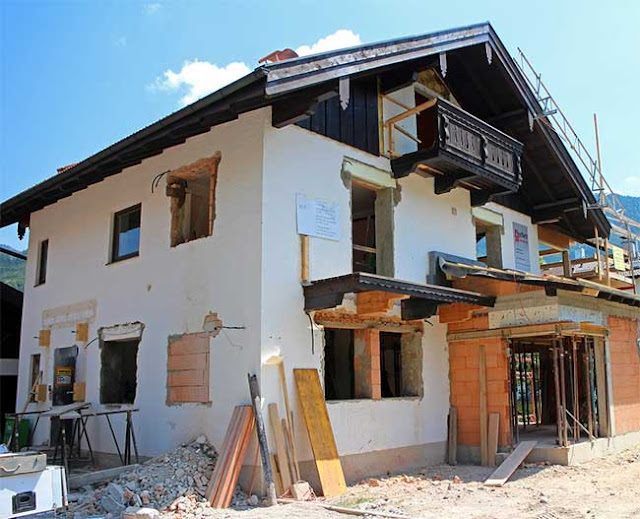
Roofing problems can contribute to leaks and water damage. If you’re missing tiles or you have holes in the roof, call some local roofing firms and get some quotes. If you can, try and get roofing problems sorted before the winter, when there’s a higher chance of rain.
If you’re fitting new floors or updating existing floors, there are lots of options to consider. Match the type of flooring you choose to the style of the home. Take a look at hardwood flooring from Ted Todd for ideas. Wooden floors work well in living rooms, kitchens, and bedrooms. They are ideal or brand new homes and older, characterful houses. Tiles are a popular option for bathrooms, kitchens, and hallways. You may also wish to consider carpets for bedrooms, landings and snugs.

Once you’ve got all the building work, roofing and plastering sorted, it’s time to have fun and get creative. Browse through some magazines and peruse interior design websites. Visit some showrooms and note down ideas or themes that you like. Think about which colors and shades you like for each room, and have a look at furniture options. You can often order bedroom or living room complete sets from retailers. If you like things a little quirkier, look out for unique pieces at street stalls, antique shops, and yard sales. Once you’ve got a basic plan for each room, focus on the finishing touches. Invest in some eye-catching accessories and make your home more welcoming. Go for matching storage jars and flower-filled vases in the kitchen. Scatter some cushions and throws on the sofa and place hardback books on a coffee table. Add blankets to beds and frame some photographs for the walls.
Renovating is a dream for many of us. It enables you to put your own stamp on your designs and create your dream home. Initially, taking on a project may seem like a bold move. But if you adopt a methodical approach, and you have plans in place, you should find that everything comes together without any problems. Once you’ve broken the backbone of the building and DIY work, you can embrace your inner interior designer. Have fun and showcase your style and personality.
from Home Design Ideas | Interior Design Ideas And Architcture http://ift.tt/1X8qr6o
Structural work
If you’ve bought an old house, it’s always wise to get any structural work done as a priority. If there are imperfections that need tending to, repair work can take time. If you can get this done before you move in, it will make life easier. Any problems should be flagged up in a structural survey. If everything is sound, but you’re planning to make changes, these should be next on your list. You may wish to knock down a wall to create a large kitchen-diner, for example. If you’re altering the layout, look through some design ideas and talk to your architect.
Roofing
Roofing problems can contribute to leaks and water damage. If you’re missing tiles or you have holes in the roof, call some local roofing firms and get some quotes. If you can, try and get roofing problems sorted before the winter, when there’s a higher chance of rain.
Flooring
If you’re fitting new floors or updating existing floors, there are lots of options to consider. Match the type of flooring you choose to the style of the home. Take a look at hardwood flooring from Ted Todd for ideas. Wooden floors work well in living rooms, kitchens, and bedrooms. They are ideal or brand new homes and older, characterful houses. Tiles are a popular option for bathrooms, kitchens, and hallways. You may also wish to consider carpets for bedrooms, landings and snugs.
Planning your interior designs
Once you’ve got all the building work, roofing and plastering sorted, it’s time to have fun and get creative. Browse through some magazines and peruse interior design websites. Visit some showrooms and note down ideas or themes that you like. Think about which colors and shades you like for each room, and have a look at furniture options. You can often order bedroom or living room complete sets from retailers. If you like things a little quirkier, look out for unique pieces at street stalls, antique shops, and yard sales. Once you’ve got a basic plan for each room, focus on the finishing touches. Invest in some eye-catching accessories and make your home more welcoming. Go for matching storage jars and flower-filled vases in the kitchen. Scatter some cushions and throws on the sofa and place hardback books on a coffee table. Add blankets to beds and frame some photographs for the walls.
Renovating is a dream for many of us. It enables you to put your own stamp on your designs and create your dream home. Initially, taking on a project may seem like a bold move. But if you adopt a methodical approach, and you have plans in place, you should find that everything comes together without any problems. Once you’ve broken the backbone of the building and DIY work, you can embrace your inner interior designer. Have fun and showcase your style and personality.
from Home Design Ideas | Interior Design Ideas And Architcture http://ift.tt/1X8qr6o
Home Renovation Tips: Where To Begin
Have you bought a project? Are you renovating an older home or planning a cosmetic overhaul? Renovating is hugely exciting, but it can be hard work. Here are some tips to help you plan ahead and get all the essential tasks done without any stress.
If you’ve bought an old house, it’s always wise to get any structural work done as a priority. If there are imperfections that need tending to, repair work can take time. If you can get this done before you move in, it will make life easier. Any problems should be flagged up in a structural survey. If everything is sound, but you’re planning to make changes, these should be next on your list. You may wish to knock down a wall to create a large kitchen-diner, for example. If you’re altering the layout, look through some design ideas and talk to your architect.
Roofing problems can contribute to leaks and water damage. If you’re missing tiles or you have holes in the roof, call some local roofing firms and get some quotes. If you can, try and get roofing problems sorted before the winter, when there’s a higher chance of rain.
If you’re fitting new floors or updating existing floors, there are lots of options to consider. Match the type of flooring you choose to the style of the home. Take a look at hardwood flooring from Ted Todd for ideas. Wooden floors work well in living rooms, kitchens, and bedrooms. They are ideal or brand new homes and older, characterful houses. Tiles are a popular option for bathrooms, kitchens, and hallways. You may also wish to consider carpets for bedrooms, landings and snugs.
Once you’ve got all the building work, roofing and plastering sorted, it’s time to have fun and get creative. Browse through some magazines and peruse interior design websites. Visit some showrooms and note down ideas or themes that you like. Think about which colors and shades you like for each room, and have a look at furniture options. You can often order bedroom or living room complete sets from retailers. If you like things a little quirkier, look out for unique pieces at street stalls, antique shops, and yard sales. Once you’ve got a basic plan for each room, focus on the finishing touches. Invest in some eye-catching accessories and make your home more welcoming. Go for matching storage jars and flower-filled vases in the kitchen. Scatter some cushions and throws on the sofa and place hardback books on a coffee table. Add blankets to beds and frame some photographs for the walls.
Renovating is a dream for many of us. It enables you to put your own stamp on your designs and create your dream home. Initially, taking on a project may seem like a bold move. But if you adopt a methodical approach, and you have plans in place, you should find that everything comes together without any problems. Once you’ve broken the backbone of the building and DIY work, you can embrace your inner interior designer. Have fun and showcase your style and personality.
from Home Design Ideas | Interior Design Ideas And Architcture http://ift.tt/1X8qr6o
Structural work
If you’ve bought an old house, it’s always wise to get any structural work done as a priority. If there are imperfections that need tending to, repair work can take time. If you can get this done before you move in, it will make life easier. Any problems should be flagged up in a structural survey. If everything is sound, but you’re planning to make changes, these should be next on your list. You may wish to knock down a wall to create a large kitchen-diner, for example. If you’re altering the layout, look through some design ideas and talk to your architect.
Roofing
Roofing problems can contribute to leaks and water damage. If you’re missing tiles or you have holes in the roof, call some local roofing firms and get some quotes. If you can, try and get roofing problems sorted before the winter, when there’s a higher chance of rain.
Flooring
If you’re fitting new floors or updating existing floors, there are lots of options to consider. Match the type of flooring you choose to the style of the home. Take a look at hardwood flooring from Ted Todd for ideas. Wooden floors work well in living rooms, kitchens, and bedrooms. They are ideal or brand new homes and older, characterful houses. Tiles are a popular option for bathrooms, kitchens, and hallways. You may also wish to consider carpets for bedrooms, landings and snugs.
Planning your interior designs
Once you’ve got all the building work, roofing and plastering sorted, it’s time to have fun and get creative. Browse through some magazines and peruse interior design websites. Visit some showrooms and note down ideas or themes that you like. Think about which colors and shades you like for each room, and have a look at furniture options. You can often order bedroom or living room complete sets from retailers. If you like things a little quirkier, look out for unique pieces at street stalls, antique shops, and yard sales. Once you’ve got a basic plan for each room, focus on the finishing touches. Invest in some eye-catching accessories and make your home more welcoming. Go for matching storage jars and flower-filled vases in the kitchen. Scatter some cushions and throws on the sofa and place hardback books on a coffee table. Add blankets to beds and frame some photographs for the walls.
Renovating is a dream for many of us. It enables you to put your own stamp on your designs and create your dream home. Initially, taking on a project may seem like a bold move. But if you adopt a methodical approach, and you have plans in place, you should find that everything comes together without any problems. Once you’ve broken the backbone of the building and DIY work, you can embrace your inner interior designer. Have fun and showcase your style and personality.
from Home Design Ideas | Interior Design Ideas And Architcture http://ift.tt/1X8qr6o
Sunday, May 29, 2016
Saturday, May 28, 2016
June Gloom in May
June gloom came early this year, with a transition in mid-May to the typical June low clouds, sprinkles, and occasional sunbreaks. Actually, this kind of weather in late May is not that unusual. Here is a plot of Seattle-Tacoma temperatures for the past four weeks (with normal highs and lows shown as well). Above normal temps through May 15th, and then a switch was flipped, with most days not even reaching the normal highs.


Why the low clouds? Blame high pressure! Yes, you have read that correctly. Here is the surface pressure and wind forecast for 2 PM on Thursday. A big area of high pressure over the eastern Pacific centered due west of the CA/OR border.

Why does high pressure offshore produce gloomy conditions west of the Cascade crest?
Many reasons! First, simple pressure differences. With high pressure offshore and lower pressure inland, low level cool air gets pushed into western Washington and Oregon.
Next, high pressure is associated with sinking air aloft, something meteorologists call subsidence. Now the sinking has to decrease near the surface. Sinking air causes warming, so there is more warming aloft. With more warming aloft, a stable layer or an inversion (temperature increasing with height) can occur. In fact, if we look at the vertical sounding at Quillayuate (on the WA coast) on Thursday at 5 PM, that is exactly what happened at around 800 hPa--roughly 4000 ft (red line is temperature, blue dotted line is dew point). Below the inversion the air is nearly saturated (temp and dew points are nearly on top of each other). A stable layer aloft allows a layer near the ocean surface to moisten and get full of low clouds.
 But as in those late-night commercials, I have to say: WAIT, there's more! The high pressure results in northerly flow along the West Coast, moving cooler water from the north southward and resulting in upwelling of cooler water from below to the surface near coast (particularly from southern Oregon down to central CA)--see sea surface temperature plot from yesterday below. Cool water helps cool the air to saturation, enhancing clouds!

So high pressure offshore gives us sustained, cool, cloudy weather. Generally not that much rain--often just some light drizzle and sprinkles. But hopefully enough to discourage Californians from moving up here (although our increasing traffic is our new secret weapon in that regard).
Now some of you might think that May or June gloom is going to decrease under global warming.
Think again. Some of our latest regional climate simulations suggest that global warming could make it worse! (see graphic below of change in March-May low clouds, between 1990s and 2090s) Blue is increasing low clouds. Why? Because the interior of the continent heats up faster than the ocean and warming temperatures causes lowering pressures. So the onshore pressure gradient increases under global warming, result in enhanced marine air influx west of the Cascade crest.
Another good reason why you should support the carbon tax initiation, I732, and do what you can to reduce your carbon footprint.

from Cliff Mass Weather Blog http://ift.tt/1UkKhqN
East of the Cascades, shielded from the low-level marine air by the Cascades, the transition was not as profound, as shown by temps at Pasco in the Tri-Cities. Conditions have been very close to normal during the past two weeks, which is good for agriculture and those worried about wildfires.
Visible satellite imagery tells the story another way. Take a look at the visible image from 12:30 PM on Thursday. Classic late spring pattern, with a huge field of low clouds over the eastern Pacific. Look closely and you will see the low clouds pushing to the Cascade crest, with coastal California from San Francisco southward socked in.
Why the low clouds? Blame high pressure! Yes, you have read that correctly. Here is the surface pressure and wind forecast for 2 PM on Thursday. A big area of high pressure over the eastern Pacific centered due west of the CA/OR border.
Why does high pressure offshore produce gloomy conditions west of the Cascade crest?
Many reasons! First, simple pressure differences. With high pressure offshore and lower pressure inland, low level cool air gets pushed into western Washington and Oregon.
Next, high pressure is associated with sinking air aloft, something meteorologists call subsidence. Now the sinking has to decrease near the surface. Sinking air causes warming, so there is more warming aloft. With more warming aloft, a stable layer or an inversion (temperature increasing with height) can occur. In fact, if we look at the vertical sounding at Quillayuate (on the WA coast) on Thursday at 5 PM, that is exactly what happened at around 800 hPa--roughly 4000 ft (red line is temperature, blue dotted line is dew point). Below the inversion the air is nearly saturated (temp and dew points are nearly on top of each other). A stable layer aloft allows a layer near the ocean surface to moisten and get full of low clouds.
So high pressure offshore gives us sustained, cool, cloudy weather. Generally not that much rain--often just some light drizzle and sprinkles. But hopefully enough to discourage Californians from moving up here (although our increasing traffic is our new secret weapon in that regard).
Now some of you might think that May or June gloom is going to decrease under global warming.
Think again. Some of our latest regional climate simulations suggest that global warming could make it worse! (see graphic below of change in March-May low clouds, between 1990s and 2090s) Blue is increasing low clouds. Why? Because the interior of the continent heats up faster than the ocean and warming temperatures causes lowering pressures. So the onshore pressure gradient increases under global warming, result in enhanced marine air influx west of the Cascade crest.
Another good reason why you should support the carbon tax initiation, I732, and do what you can to reduce your carbon footprint.
from Cliff Mass Weather Blog http://ift.tt/1UkKhqN
June Gloom in May
June gloom came early this year, with a transition in mid-May to the typical June low clouds, sprinkles, and occasional sunbreaks. Actually, this kind of weather in late May is not that unusual. Here is a plot of Seattle-Tacoma temperatures for the past four weeks (with normal highs and lows shown as well). Above normal temps through May 15th, and then a switch was flipped, with most days not even reaching the normal highs.
Why the low clouds? Blame high pressure! Yes, you have read that correctly. Here is the surface pressure and wind forecast for 2 PM on Thursday. A big area of high pressure over the eastern Pacific centered due west of the CA/OR border.
Why does high pressure offshore produce gloomy conditions west of the Cascade crest?
Many reasons! First, simple pressure differences. With high pressure offshore and lower pressure inland, low level cool air gets pushed into western Washington and Oregon.
Next, high pressure is associated with sinking air aloft, something meteorologists call subsidence. Now the sinking has to decrease near the surface. Sinking air causes warming, so there is more warming aloft. With more warming aloft, a stable layer or an inversion (temperature increasing with height) can occur. In fact, if we look at the vertical sounding at Quillayuate (on the WA coast) on Thursday at 5 PM, that is exactly what happened at around 800 hPa--roughly 4000 ft (red line is temperature, blue dotted line is dew point). Below the inversion the air is nearly saturated (temp and dew points are nearly on top of each other). A stable layer aloft allows a layer near the ocean surface to moisten and get full of low clouds.
But as in those late-night commercials, I have to say: WAIT, there's more! The high pressure results in northerly flow along the West Coast, moving cooler water from the north southward and resulting in upwelling of cooler water from below to the surface near coast (particularly from southern Oregon down to central CA)--see sea surface temperature plot from yesterday below. Cool water helps cool the air to saturation, enhancing clouds!
So high pressure offshore gives us sustained, cool, cloudy weather. Generally not that much rain--often just some light drizzle and sprinkles. But hopefully enough to discourage Californians from moving up here (although our increasing traffic is our new secret weapon in that regard).
Now some of you might think that May or June gloom is going to decrease under global warming.
Think again. Some of our latest regional climate simulations suggest that global warming could make it worse! (see graphic below of change in March-May low clouds, between 1990s and 2090s) Blue is increasing low clouds. Why? Because the interior of the continent heats up faster than the ocean and warming temperatures causes lowering pressures. So the onshore pressure gradient increases under global warming, result in enhanced marine air influx west of the Cascade crest.
Another good reason why you should support the carbon tax initiation, I732, and do what you can to reduce your carbon footprint.
from Cliff Mass Weather Blog http://ift.tt/1UkKhqN
East of the Cascades, shielded from the low-level marine air by the Cascades, the transition was not as profound, as shown by temps at Pasco in the Tri-Cities. Conditions have been very close to normal during the past two weeks, which is good for agriculture and those worried about wildfires.
Visible satellite imagery tells the story another way. Take a look at the visible image from 12:30 PM on Thursday. Classic late spring pattern, with a huge field of low clouds over the eastern Pacific. Look closely and you will see the low clouds pushing to the Cascade crest, with coastal California from San Francisco southward socked in.
Why the low clouds? Blame high pressure! Yes, you have read that correctly. Here is the surface pressure and wind forecast for 2 PM on Thursday. A big area of high pressure over the eastern Pacific centered due west of the CA/OR border.
Why does high pressure offshore produce gloomy conditions west of the Cascade crest?
Many reasons! First, simple pressure differences. With high pressure offshore and lower pressure inland, low level cool air gets pushed into western Washington and Oregon.
Next, high pressure is associated with sinking air aloft, something meteorologists call subsidence. Now the sinking has to decrease near the surface. Sinking air causes warming, so there is more warming aloft. With more warming aloft, a stable layer or an inversion (temperature increasing with height) can occur. In fact, if we look at the vertical sounding at Quillayuate (on the WA coast) on Thursday at 5 PM, that is exactly what happened at around 800 hPa--roughly 4000 ft (red line is temperature, blue dotted line is dew point). Below the inversion the air is nearly saturated (temp and dew points are nearly on top of each other). A stable layer aloft allows a layer near the ocean surface to moisten and get full of low clouds.
So high pressure offshore gives us sustained, cool, cloudy weather. Generally not that much rain--often just some light drizzle and sprinkles. But hopefully enough to discourage Californians from moving up here (although our increasing traffic is our new secret weapon in that regard).
Now some of you might think that May or June gloom is going to decrease under global warming.
Think again. Some of our latest regional climate simulations suggest that global warming could make it worse! (see graphic below of change in March-May low clouds, between 1990s and 2090s) Blue is increasing low clouds. Why? Because the interior of the continent heats up faster than the ocean and warming temperatures causes lowering pressures. So the onshore pressure gradient increases under global warming, result in enhanced marine air influx west of the Cascade crest.
Another good reason why you should support the carbon tax initiation, I732, and do what you can to reduce your carbon footprint.
from Cliff Mass Weather Blog http://ift.tt/1UkKhqN
Friday, May 27, 2016
Do or Don't DIY, Your Questions Answered
Are you completing a home renovation project or completing maintenance on your property? You should always start with one question. Can I DIY? There are lots of advantages to completing DIY work. First, there’s that wonderful sense of achievement once you’ve completed the job. Second, there’s the money that you’ll save. If you can DIY you won’t have to call in the experts who might charge an arm and a leg for their services. That said, it’s true to say that some jobs are more suited for DIY jobs than others. With that in mind here’s show you’ll know whether you should DIY.

You must make sure that you are using the right safety gear when completing a job on your home or around your property. The type of gear will depend on the job in question. For instance, if you’re working with cutting metal, you need to make sure you’re wearing gloves. Otherwise, you could get a metal splinter in your hand. This will cause severe pain and might even lead to a serious infection.
If you have no idea how to get started with your DIY job, it’s probably not a good idea to do it at all. It’s best instead to leave it to the professionals. You might find that you can uncover how to complete the DIY job by looking at a video online. Or by checking out a blog like this one for the answers. But if there’s any doubt that you understand what’s being asked don’t go through with it. You could make a mess or worse, put yourself in danger. That brings us to the next question.

You’d be surprised how dangerous a DIY job could be. You may not think that there are any hazards involved with completing the DIY job in question. But just think about that for a moment. Changing a light bulb, while simple does present a hazard. If you accidentally leave the power on, you could electrocute yourself. Now, let’s look at a more complex job that some people DIY like welding. You might choose to weld a pipe in your home, rather than calling in a professional. But if you do this, you are putting yourself at risk of burns and abrasions. Think about how safe the job is and whether or not the risk is worth it.


from Home Design Ideas | Interior Design Ideas And Architcture http://ift.tt/1qODZFo
Got The Safety Gear?
You must make sure that you are using the right safety gear when completing a job on your home or around your property. The type of gear will depend on the job in question. For instance, if you’re working with cutting metal, you need to make sure you’re wearing gloves. Otherwise, you could get a metal splinter in your hand. This will cause severe pain and might even lead to a serious infection.
Do You Have The Know How?
If you have no idea how to get started with your DIY job, it’s probably not a good idea to do it at all. It’s best instead to leave it to the professionals. You might find that you can uncover how to complete the DIY job by looking at a video online. Or by checking out a blog like this one for the answers. But if there’s any doubt that you understand what’s being asked don’t go through with it. You could make a mess or worse, put yourself in danger. That brings us to the next question.
Is It Safe?
You’d be surprised how dangerous a DIY job could be. You may not think that there are any hazards involved with completing the DIY job in question. But just think about that for a moment. Changing a light bulb, while simple does present a hazard. If you accidentally leave the power on, you could electrocute yourself. Now, let’s look at a more complex job that some people DIY like welding. You might choose to weld a pipe in your home, rather than calling in a professional. But if you do this, you are putting yourself at risk of burns and abrasions. Think about how safe the job is and whether or not the risk is worth it.
Do You Have The Tools?
Certainly DIY jobs will often require expensive and heavy machinery. For instance, you might be completing a home renovation project on the exterior of your property. If that’s the case, you may need to cut concrete. To do this, you will need a concrete saw. Without that, you’re just going to make a mess of the job in question. That’s why before you DIY you should check online and ensure you have the tools you need or that you can buy them.
Are You Confident?
Lastly, ask yourself whether you can complete the job you’re considering without any help. If you’re confident in that fact after asking these questions, go ahead with it. Many people choose to DIY to cut costs. But, if you’re not confident you’ll probably need to get the job completed twice regardless. It could even cost more because the contractor will be fixing your poor work.
from Home Design Ideas | Interior Design Ideas And Architcture http://ift.tt/1qODZFo
Do or Don't DIY, Your Questions Answered
Are you completing a home renovation project or completing maintenance on your property? You should always start with one question. Can I DIY? There are lots of advantages to completing DIY work. First, there’s that wonderful sense of achievement once you’ve completed the job. Second, there’s the money that you’ll save. If you can DIY you won’t have to call in the experts who might charge an arm and a leg for their services. That said, it’s true to say that some jobs are more suited for DIY jobs than others. With that in mind here’s show you’ll know whether you should DIY.
You must make sure that you are using the right safety gear when completing a job on your home or around your property. The type of gear will depend on the job in question. For instance, if you’re working with cutting metal, you need to make sure you’re wearing gloves. Otherwise, you could get a metal splinter in your hand. This will cause severe pain and might even lead to a serious infection.
If you have no idea how to get started with your DIY job, it’s probably not a good idea to do it at all. It’s best instead to leave it to the professionals. You might find that you can uncover how to complete the DIY job by looking at a video online. Or by checking out a blog like this one for the answers. But if there’s any doubt that you understand what’s being asked don’t go through with it. You could make a mess or worse, put yourself in danger. That brings us to the next question.
You’d be surprised how dangerous a DIY job could be. You may not think that there are any hazards involved with completing the DIY job in question. But just think about that for a moment. Changing a light bulb, while simple does present a hazard. If you accidentally leave the power on, you could electrocute yourself. Now, let’s look at a more complex job that some people DIY like welding. You might choose to weld a pipe in your home, rather than calling in a professional. But if you do this, you are putting yourself at risk of burns and abrasions. Think about how safe the job is and whether or not the risk is worth it.
from Home Design Ideas | Interior Design Ideas And Architcture http://ift.tt/1qODZFo
Got The Safety Gear?
You must make sure that you are using the right safety gear when completing a job on your home or around your property. The type of gear will depend on the job in question. For instance, if you’re working with cutting metal, you need to make sure you’re wearing gloves. Otherwise, you could get a metal splinter in your hand. This will cause severe pain and might even lead to a serious infection.
Do You Have The Know How?
If you have no idea how to get started with your DIY job, it’s probably not a good idea to do it at all. It’s best instead to leave it to the professionals. You might find that you can uncover how to complete the DIY job by looking at a video online. Or by checking out a blog like this one for the answers. But if there’s any doubt that you understand what’s being asked don’t go through with it. You could make a mess or worse, put yourself in danger. That brings us to the next question.
Is It Safe?
You’d be surprised how dangerous a DIY job could be. You may not think that there are any hazards involved with completing the DIY job in question. But just think about that for a moment. Changing a light bulb, while simple does present a hazard. If you accidentally leave the power on, you could electrocute yourself. Now, let’s look at a more complex job that some people DIY like welding. You might choose to weld a pipe in your home, rather than calling in a professional. But if you do this, you are putting yourself at risk of burns and abrasions. Think about how safe the job is and whether or not the risk is worth it.
Do You Have The Tools?
Certainly DIY jobs will often require expensive and heavy machinery. For instance, you might be completing a home renovation project on the exterior of your property. If that’s the case, you may need to cut concrete. To do this, you will need a concrete saw. Without that, you’re just going to make a mess of the job in question. That’s why before you DIY you should check online and ensure you have the tools you need or that you can buy them.
Are You Confident?
Lastly, ask yourself whether you can complete the job you’re considering without any help. If you’re confident in that fact after asking these questions, go ahead with it. Many people choose to DIY to cut costs. But, if you’re not confident you’ll probably need to get the job completed twice regardless. It could even cost more because the contractor will be fixing your poor work.
from Home Design Ideas | Interior Design Ideas And Architcture http://ift.tt/1qODZFo
Thursday, May 26, 2016
Wednesday, May 25, 2016
Steven's Pass Melt Out
On Saturday, Steven's Pass, at 4000 ft in the central Cascades, had its "melt out", which is defined as the first day of the summer when less than two inches were left on the ground.

It was the 8th earliest melt out in the last 36 years. Folks care about the melt out date because it is an integrated measure of the depth of the snow pack and the degree of spring warmth, and both of those are expected to be influenced by global warming. Increased levels of CO2 should result in warming that will result in less build up of mountain snowpack in the winter and a quicker melting in the spring of what snow does accumulate.
Last year (2015) was a profound example of warming causing a reduction in snowpack and a very early melt off date (the earliest on record!). Some folks are saying that there is a trend towards poorer snowpacks and earlier melt-outs, and that that this is an indication that we are already experienced human-caused global warming. But is it true?

Mark Albright, past Washington State climatologist, has plotted the Steven's Pass melt-dates from 1981-2016 (see below). The annual melt-out dates are shown by the blue line, the mean over the period by the horizontal gray line, and the 5-year running mean by the purple line. There is no evidence of a long-term trend for earlier melt-out dates. Last year (2015) was an outlier, although three other years came close.
So there doesn't appear to be any global warming signal producing earlier snow melt offs in our region.
 To drive this point home further, here are the mean melt-out dates for recent decades (again, thanks to Mark Albright). It appears that the melt-out dates are getting progressively later, just the OPPOSITE of what we would expect global warming would do.
1980s: 30 May
1990s: 1 June
2000s: 2 June
2010s: 4 June (thru 2016)
 One or two bad years are not an indicator of a long-term trend and the evidence, as shown above, suggests minimal long-term trend in snowpack across the Cascades during the past decades. No one should be surprised by this lack of trend, since their is little trend in the temperatures of the eastern Pacific and that is where our air comes from during the cool season.
Our best regional climate simulation suggest that by the end of the century, warming caused increasing gases will cause a substantial loss of snowpack, with winters like last year becoming typical.
from Cliff Mass Weather Blog http://ift.tt/20AQssz
It was the 8th earliest melt out in the last 36 years. Folks care about the melt out date because it is an integrated measure of the depth of the snow pack and the degree of spring warmth, and both of those are expected to be influenced by global warming. Increased levels of CO2 should result in warming that will result in less build up of mountain snowpack in the winter and a quicker melting in the spring of what snow does accumulate.
Last year (2015) was a profound example of warming causing a reduction in snowpack and a very early melt off date (the earliest on record!). Some folks are saying that there is a trend towards poorer snowpacks and earlier melt-outs, and that that this is an indication that we are already experienced human-caused global warming. But is it true?
Mark Albright, past Washington State climatologist, has plotted the Steven's Pass melt-dates from 1981-2016 (see below). The annual melt-out dates are shown by the blue line, the mean over the period by the horizontal gray line, and the 5-year running mean by the purple line. There is no evidence of a long-term trend for earlier melt-out dates. Last year (2015) was an outlier, although three other years came close.
So there doesn't appear to be any global warming signal producing earlier snow melt offs in our region.
1980s: 30 May
1990s: 1 June
2000s: 2 June
2010s: 4 June (thru 2016)
This small delay in the melt out is consistent with other independent measures of snow content in the Cascades, such as the April 1 snowpack amount, which also show little trend (see below).
Our best regional climate simulation suggest that by the end of the century, warming caused increasing gases will cause a substantial loss of snowpack, with winters like last year becoming typical.
from Cliff Mass Weather Blog http://ift.tt/20AQssz
Subscribe to:
Comments (Atom)